Author:
Jack CushmanPublished:
For a recent installment of Gizmodo’s Giz Asks series, Gayoung Lee asked researchers in computer science, cybersecurity, and libraries: will we ever solve the problem of losing data?
I love this question because it is core to the work we do at the Lab: as technology changes the global information landscape, how can we remember where we have come from and plan where we are going?
I contributed this answer:
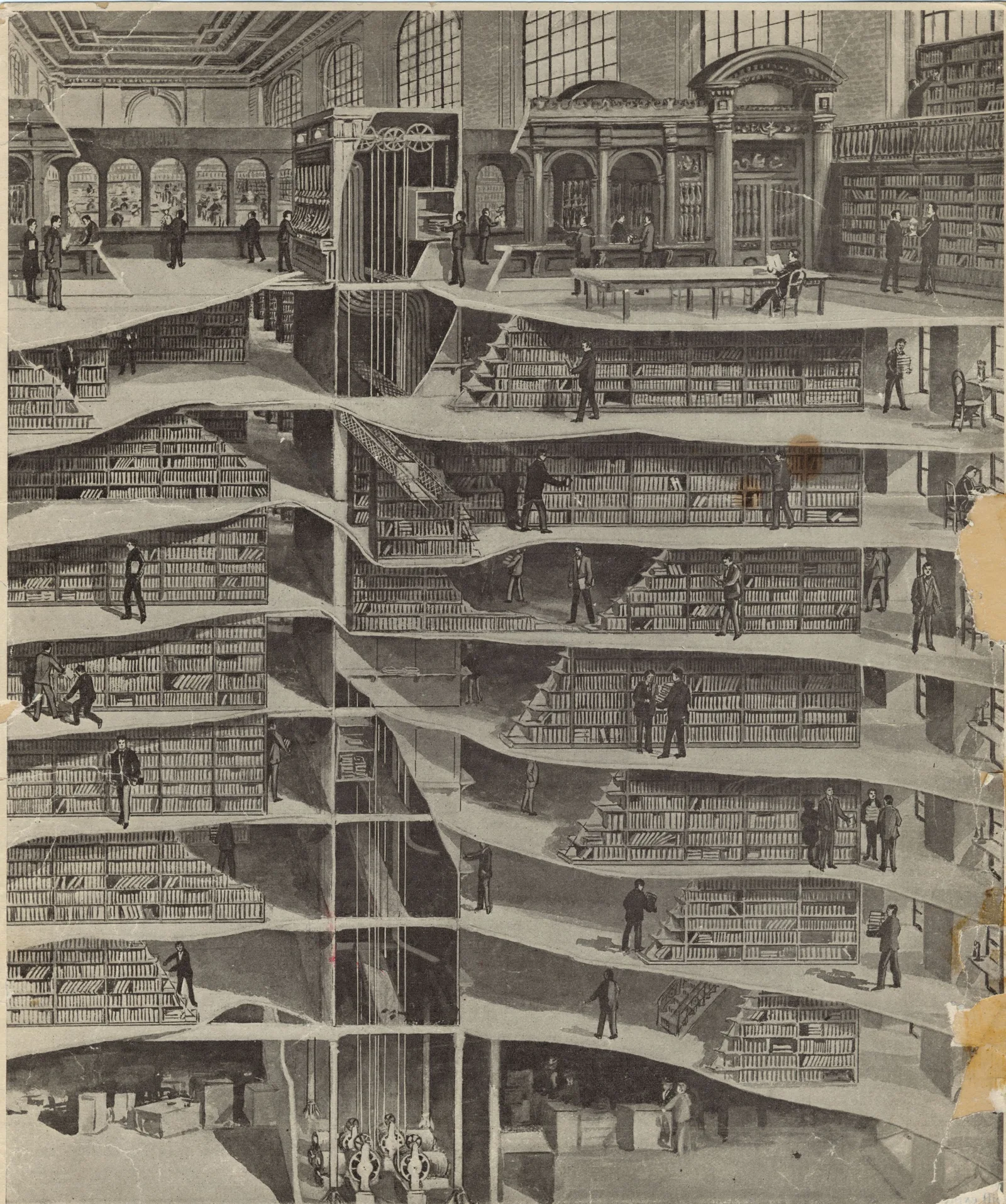
I know of one data storage form that can be permanent: a library. Or rather, a world full of libraries. Libraries aren’t perfect storage devices (nothing is), but they are fiercely committed to self-repair. A good library is a collection of people, technologies, and practices that pass an obligation—to remember the things we must remember—from the last generation to the next.
Libraries, rather than better hard drives, are what solve correlated failure, cataloged in the LOCKSS (Lots Of Copies Keep Stuff Safe) threat model. A correlated failure is when you make really great, durable copies of the data you care about, and then they all get hit by an asteroid. Shouldn’t have had them all in one physical location. Or a hacker marks them all for deletion (they were all behind one sysadmin), or a government orders them all destroyed (all in one regulatory regime), or they all rot at the same time (all from one flawed batch), or the money to store them dries up (all on one funding source).
On a long enough timeline any copy will break. You need multiple copies with different vulnerabilities so they don’t all break at the same time. Then you need to repair the broken ones. A worldwide network of libraries does the repair work, whether the objects are 30 medieval Magna Carta manuscripts or 300,000 government datasets.
Long-lived storage media are wonderful (“a CD that lasts 1,000 years!”) because they invite us to imagine who will be here in 1,000 years and what they will care about. As we build a digital civilization that can preserve knowledge for centuries, the problems we solve will transcend storage media: how to build digital archives that are endowed and defended, and how to knit them into networks of mutual aid that reach across institutions and borders. Technology is a necessary building block, but permanence isn’t something we buy. It’s a promise we keep renewing by agreeing to hold each other’s treasures.
Read the full piece at Gizmodo for contributions from Mohiuddin Ahmed, Francesca Musiani, Kevin Curran, Adnene Guabtni, and Melanie Hubbard on the physics of storage media, the infrastructures behind our digital memory, and the practices that keep data alive.